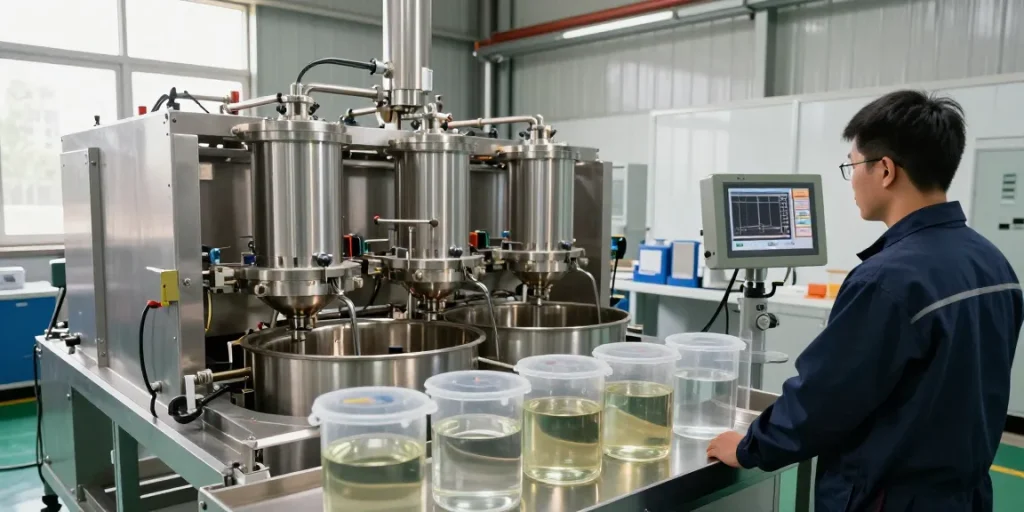

Understanding the Basics of 3 Phase Centrifuges
The advancement of industrial processes relies heavily on efficient separation techniques, with 3 phase centrifuges emerging as one of the most effective solutions across various sectors, especially in the food, pharmaceutical, and environmental industries. A 3 phase centrifuge is a critical piece of equipment designed to separate three distinct phases from a mixture, enhancing productivity and product quality.
What is a 3 Phase Centrifuge?
A 3 phase centrifuge is a type of decanter designed to separate mixtures into three different output streams: two liquid phases and one solid phase. This equipment is particularly beneficial in processes where two immiscible liquids with different densities must be separated, along with solid particles. The centrifuge harnesses the principle of centrifugal force to facilitate the separation process efficiently.
How Does a 3 Phase Centrifuge Work?
The operational mechanism of a 3 phase centrifuge involves rotating a mixture at high speeds, generating a centrifugal force that causes denser materials to move outward and lighter materials to move inward. When the feed enters the centrifuge, it is distributed through a rotating drum where it undergoes rapid spinning. As a result, three distinct layers form: the heavier solids at the bottom, the intermediate liquid phase in the middle, and the lighter liquid phase at the top. The separation occurs continuously as the liquids and solids are discharged from different outlets.
Key Components of a 3 Phase Centrifuge
A typical 3 phase centrifuge consists of several critical components that contribute to its functionality:
- Rotating Drum: The primary component where the separation takes place. The drum is engineered to withstand high speeds and pressures.
- Feed System: This component ensures continuous feeding of the mixture into the centrifuge, typically using a pump.
- Decanter Mechanism: This allows the separated phases to exit the drum efficiently. It includes an adjustable weir for controlling the liquid levels.
- Drive Motor: Powers the rotation of the drum at the required speed.
- Control Panel: Used for monitoring and controlling the operation of the centrifuge.
Applications of 3 Phase Centrifuges Across Industries
3 phase centrifuges cater to a multitude of industrial applications. Their efficiency in separating two liquid layers from solids makes them ideal for various sectors.
Food and Beverage Processing
In the food and beverage industry, 3 phase centrifuges are frequently utilized in processes such as oil extraction, juice clarification, and dairy processing. For instance, in olive oil production, these centrifuges enhance the clarity and purity of the oil, ensuring a higher quality product that meets consumer expectations.
Pharmaceutical Applications
When it comes to pharmaceuticals, 3 phase centrifuges play a crucial role in drug formulation processes. They ensure efficient separation of active ingredients from solvents or other liquid carriers, thus optimizing the purity of pharmaceuticals and biopharmaceuticals. Precise separation is vital to maintaining the efficacy and safety of medicinal products.
Environmental and Chemical Industry Uses
In environmental applications, 3 phase centrifuges are instrumental in wastewater treatment, where they separate oils and solids from water, promoting cleaner discharge. Moreover, in chemical industries, these centrifuges assist in the separation of different chemical compounds, enhancing the efficiency of chemical processing operations.
Choosing the Right 3 Phase Centrifuge for Your Needs
Selecting the appropriate 3 phase centrifuge involves evaluating various factors to ensure optimal performance and efficiency in your operations.
Factors to Consider When Selecting a Centrifuge
- Feed Characteristics: Assess the nature of the mixture you need to separate, including viscosity and phase densities.
- Separation Efficiency: Look for centrifuges that offer high separation rates and clarify outputs effectively.
- Capacity: Consider the volume of material that needs processing and select a centrifuge that meets these requirements.
- Operational Costs: Analyze the total cost of ownership, including energy consumption, maintenance, and expected lifespan.
Comparing Different Models and Brands
Comparison among various models and brands of 3 phase centrifuges can lead to better-informed purchasing decisions. Look for user reviews, technical specifications, and case studies to understand real-world applications and performance.
Cost vs. Performance: What’s Worth It?
Investing in a high-quality 3 phase centrifuge may involve higher upfront costs but can lead to significant savings over time through improved efficiency, reduced waste, and higher productivity. Evaluate your specific operational requirements against budget constraints to determine the best value for your investment.
Maintenance and Optimization of 3 Phase Centrifuges
To maximize the lifespan and efficiency of a 3 phase centrifuge, proper maintenance and optimization practices are essential.
Best Practices for Maintenance
- Regular Inspections: Conduct routine checks to identify wear and tear on components.
- Lubrication: Ensure that moving parts are adequately lubricated to prevent friction and overheating.
- Cleaning: Implement a strict cleaning schedule to prevent contamination and maintain performance.
Common Troubleshooting Techniques
When issues arise, common troubleshooting techniques include monitoring for unusual vibrations, checking for blockages in the discharge outlets, and ensuring the correct operational speeds are maintained. Establishing a systematic approach for addressing these issues can prevent extended downtime.
Upgrades and Innovations for Enhanced Efficiency
With advancements in technology, many manufacturers are introducing upgrades for increased efficiency, including automated monitoring systems and enhanced drive mechanisms. Staying informed about these innovations can help your operations remain competitive.
Future Trends in Centrifuge Technology for 2026 and Beyond
The centrifuge sector is evolving with technology advancements that enhance efficiency and sustainability. A few trends to watch include:
Emerging Technologies in Centrifuge Design
Integrating IoT technology into centrifuge operations enables real-time monitoring and predictive maintenance capabilities. This advancement will allow for better performance management, reducing unscheduled downtimes.
Sustainability and Environmental Impact Considerations
The focus on sustainable manufacturing practices is driving the design of more energy-efficient centrifuges that minimize waste generation. Companies are increasingly seeking equipment that aligns with environmental regulations and sustainability goals.
Predictions for Market Growth and Adaptations
The global market for centrifuges is expected to grow significantly, driven by increasing demand in pharmaceuticals, food processing, and environmental sectors. Operators must be adaptable to rapidly change technological and regulatory landscapes, influencing equipment choices.
What Safety Measures Should Be Taken in Operation?
Implementing safety protocols is essential when operating 3 phase centrifuges. This includes regular training for operators, ensuring proper maintenance, and adhering to safety standards to prevent accidents and injuries.
Common Misconceptions About Centrifuge Technology?
One common misconception is that higher speeds equate to better separation. For more information, decanter centrifuge offers valuable insights. However, the efficiency largely depends on the specific design and operational parameters of the centrifuge. Understanding the intricacies of your machine is crucial for optimal operation.