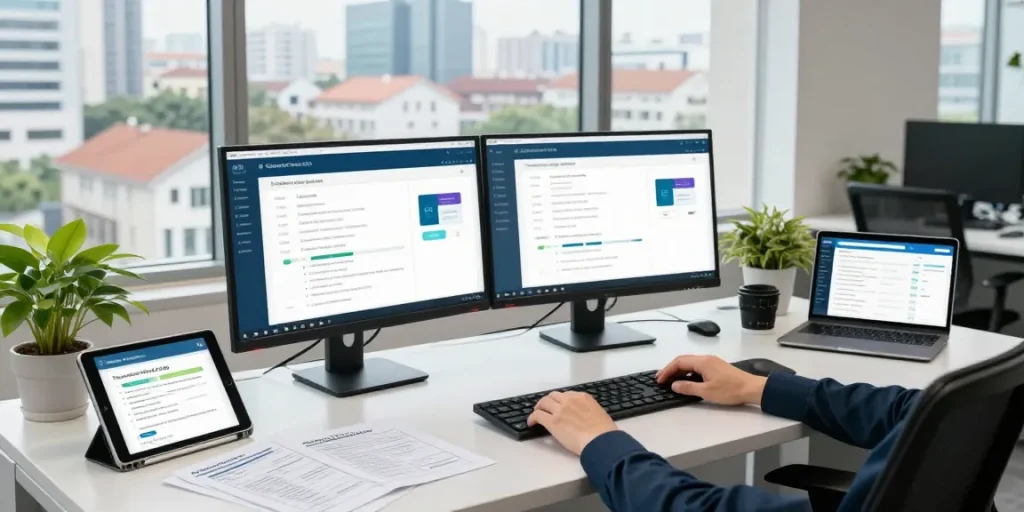

Understanding the RTPS 4 Platform for Public Services
The RTPS 4 platform represents a transformative leap in the realm of public service delivery, embodying the intersection of technology and civic engagement. This innovative platform is designed to streamline administrative processes, enhance accessibility of services, and ultimately improve the interaction between government entities and citizens. By integrating various functionalities, RTPS 4 not only simplifies access to public services but also fosters greater community involvement through digital interfaces. When exploring options, rtps 4 platform for public services provides comprehensive insights into how technology can reshape governance.
What is the RTPS 4 Platform?
The RTPS 4 (Real-Time Public Service) platform is an advanced digital solution that aims to enhance the efficiency and accessibility of public services. It facilitates a seamless interface for citizens to interact with various government services—from applying for permits to accessing health care and educational resources. Designed with user-friendliness in mind, RTPS 4 utilizes modern technology frameworks and methodologies to ensure that services are available in real-time, thus eliminating long queues and bureaucratic delays.
Key Features and Functionalities
- User-Friendly Interface: Designed with the end-user in mind, making navigation intuitive.
- Real-Time Data Processing: Ensuring that citizens receive instant updates on their requests and applications.
- Integrated Services: Bridging multiple service sectors into one unified platform for easier access.
- Mobile Compatibility: Optimizing services for mobile devices, increasing accessibility for all demographics.
- Data Analytics: Utilizing analytics to improve service delivery and understand user needs better.
Benefits of Adopting RTPS 4 for Public Services
The adoption of the RTPS 4 platform yields significant benefits across various axes of public administration:
- Enhanced Efficiency: Automating repetitive tasks allows public servants to focus on more critical areas of service.
- Increased Transparency: Real-time tracking of application statuses fosters a culture of openness.
- Improved Citizen Engagement: Citizens can easily access feedback channels, enabling them to communicate directly with service providers.
- Cost Reduction: Streamlined processes can lead to reduced operational costs for public agencies.
Challenges in Implementing RTPS 4 in Public Administration
Common Obstacles in Digital Public Service Delivery
Transitioning to a digital platform like RTPS 4 is not without its challenges. One of the primary hurdles is the technological divide, where varying levels of digital literacy among citizens can hinder effective implementation. Additionally, outdated infrastructure and limited internet reach in remote areas can pose significant barriers, thus necessitating a tailored approach that considers these disparities.
Addressing Security and Privacy Concerns
With the shift to digital service delivery, concerns about data security and user privacy escalate. It is imperative that RTPS 4 incorporates robust security measures to protect sensitive information. This includes encryption protocols, regular security audits, and clear user consent mechanisms, ensuring that citizens feel safe while utilizing the platform.
Overcoming Resistance to Change among Stakeholders
Resistance from stakeholders, including public servants and government officials, can be a substantial barrier to successful implementation. To mitigate this, it is essential to engage these stakeholders early in the process, incorporating their feedback to foster a sense of ownership and reduce apprehension towards new technologies.
Best Practices for Leveraging RTPS 4 Effectively
Strategies for Successful Implementation
Successful implementation of RTPS 4 requires strategic planning and execution:
- Conduct Thorough Training: Ensuring that all users, from citizens to government employees, are educated on the platform enhances overall engagement.
- Iterate Based on Feedback: Regularly collecting user feedback and making iterative improvements can significantly enhance the platform’s usability.
- Promote Awareness Campaigns: Raising awareness about the RTPS 4 platform can encourage higher adoption rates among citizens.
Engagement Techniques for Better User Experience
To improve user experience on the RTPS 4 platform, consider implementing:
- Personalization: Tailoring services based on user history and preferences can create a more engaging experience.
- Gamification: Introducing elements of gamification can motivate users to engage more with the platform.
- Continuous Support: Establishing active support channels can assist users in navigating the platform efficiently.
Measuring Success: Key Performance Indicators
To evaluate the effectiveness of RTPS 4, organizations should focus on specific key performance indicators (KPIs):
- User Adoption Rates: Tracking the number of active users can provide insight into the platform’s success.
- Service Delivery Times: Measuring the average time taken to deliver services post-implementation indicates efficiency gains.
- Customer Satisfaction Scores: Collecting user feedback through surveys can help gauge satisfaction levels and areas for improvement.
Real-World Applications of RTPS 4 in Public Services
Case Studies of Successful RTPS 4 Implementations
Numerous state and local governments have begun employing the RTPS 4 platform to enhance service delivery. For instance, a major Indian city recently implemented RTPS 4 for its public health services, reducing application processing times by over 50% while increasing citizen satisfaction ratings significantly.
Innovative Uses of RTPS 4 in Various Government Sectors
Innovative applications of RTPS 4 have emerged across different sectors:
- Education: Schools utilize RTPS 4 to streamline enrollment processes and communicate more effectively with parents.
- Transportation: The platform is used to manage permits and licenses efficiently, enhancing public safety.
- Healthcare: Patients can access health records and schedule appointments seamlessly, promoting proactive health management.
Civic Engagement and RTPS 4: A New Era
RTPS 4 fosters civic engagement by enabling citizens to participate actively in governance. Through feedback mechanisms, citizens can voice their concerns and suggestions, which are crucial for responsive governance. This shift not only empowers the community but also enhances trust in public institutions.
The Future of Public Services with RTPS 4: Trends and Predictions
Emerging Technologies and Their Impact on RTPS 4
The future of RTPS 4 is poised to integrate emerging technologies such as artificial intelligence (AI) and machine learning (ML). These technologies can analyze large datasets to predict service demand, thereby optimizing resource allocation and providing more anticipatory services to citizens.
Predictions for Public Service Evolution by 2026
By 2026, the evolution of public services through the RTPS 4 platform is expected to result in:
- Increased Automation: More services will become fully automated, minimizing human intervention and reducing errors.
- Seamless Multi-Channel Access: Users will be able to access services across various platforms—mobile, web, and through social media.
- Enhanced Data Utilization: Governments will leverage data analytics to inform policy-making and improve service delivery.
Adaptations Needed for Enhanced Community Interaction
For RTPS 4 to thrive, adaptations must occur to enhance community interaction. This includes investing in digital literacy programs so all citizens can navigate the digital services effectively. Additionally, fostering partnerships between government departments and community organizations can promote outreach and increase platform utilization.
What are the key features of the RTPS 4 platform?
The key features of the RTPS 4 platform include real-time data processing, user-friendly interfaces, mobile compatibility, and integrated service capabilities.
How does RTPS 4 improve public service delivery?
RTPS 4 improves public service delivery by automating processes, enhancing transparency, and facilitating better communication between citizens and government agencies.
What challenges might organizations face while implementing RTPS 4?
Organizations may encounter challenges such as technological resistance from stakeholders, limited digital literacy among citizens, and concerns regarding data security and privacy.
Can RTPS 4 help engage communities effectively?
Yes, RTPS 4 can effectively engage communities by providing user-friendly access to services and enabling feedback mechanisms for better governance.
What future trends should we expect from RTPS 4?
Future trends for RTPS 4 include the integration of AI for predictive services, seamless multi-channel access, and enhanced community interaction through ongoing training and partnerships.