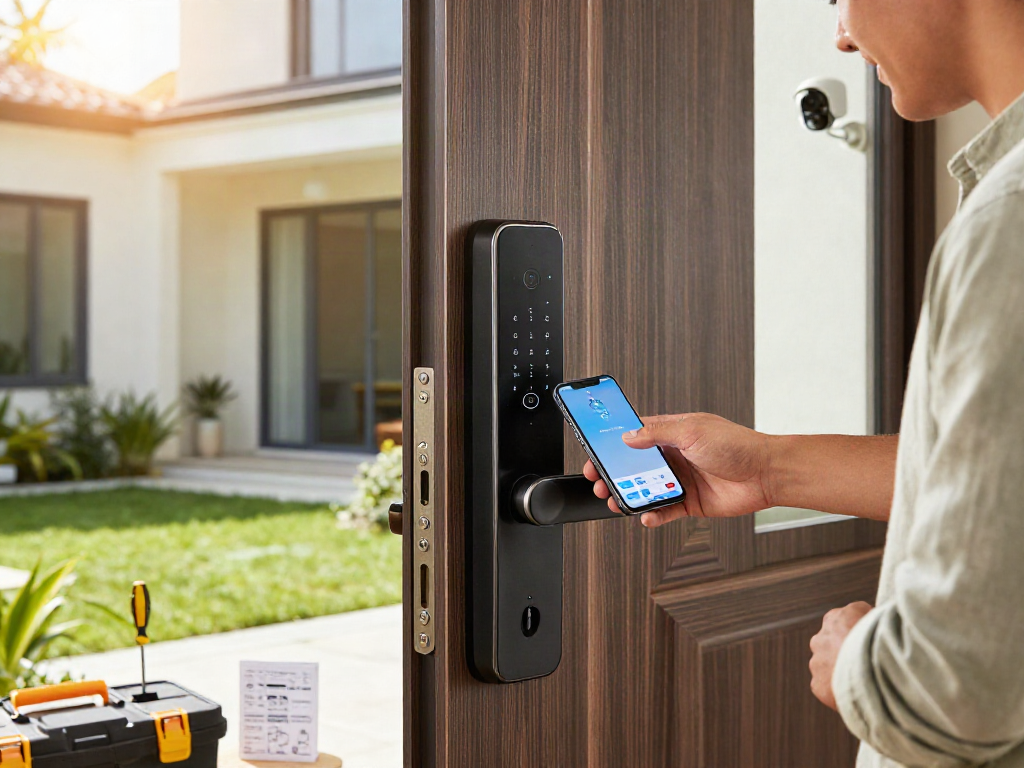
Understanding Smart Locks
In an era where technology continually reshapes our daily lives, the advent of smart locks stands out as a significant innovation in home security. Smart locks offer homeowners a blend of convenience and enhanced security, allowing them to control access to their homes remotely. As we navigate through 2026, understanding the mechanics and benefits of these devices can ensure that you select the right model to enhance your home’s security. When exploring options, خرید قفل هوشمند provides comprehensive insights into the various models available today.
What is a Smart Lock?
A smart lock is a digital locking device that secures your home without the use of traditional keys. Instead of a conventional keyhole, smart locks utilize a variety of methods to unlock, such as mobile apps, biometrics like fingerprint scanning, or PIN codes. Many smart locks are also compatible with home automation systems, allowing for seamless integration with other smart home devices. This technological breakthrough enables users to grant access remotely—perfect for those who often have guests or service providers accessing their homes.
How Smart Locks Enhance Home Security
Smart locks significantly reinforce home security in various ways. Firstly, they allow real-time monitoring of who enters and exits your home. Many models send notifications directly to your smartphone whenever someone uses the lock, providing peace of mind. Furthermore, smart locks often come equipped with advanced encryption technology, making it difficult for unauthorized users to bypass them. Another remarkable feature is the ability to create temporary access codes for guests, ensuring you maintain control and can easily revoke access when no longer needed.
Comparing Smart Locks to Traditional Locks
When comparing smart locks to traditional locks, the differences extend beyond just convenience. Traditional locks can be susceptible to picking and bumping, whereas smart locks employ advanced technology to thwart such attempts. Smart locks also eliminate the need for physical keys, which can be lost or duplicated. Instead, access can be granted through secure digital methods, heightening security. While traditional locks may be simpler and less expensive, smart locks offer a higher level of functionality and security, making them increasingly popular among homeowners.
Choosing the Right Smart Lock
With numerous smart lock options on the market, selecting the right one can feel overwhelming. However, understanding the features that suit your needs can simplify the decision-making process. Key elements to consider include compatibility with smart home systems, security ratings, battery life, and user-friendly interfaces. Whether you opt for a model that uses Bluetooth, Wi-Fi, or Z-Wave technology, assessing your lifestyle and security preferences is crucial in making the best choice.
Key Features to Look For
When investing in a smart lock, several features can enhance its functionality:
- Remote Access: Allows you to manage your lock from anywhere via smartphone apps.
- Access Control: Grant temporary or permanent entry codes for guests.
- Auto-Lock and Unlock: Automatically locks when you leave and unlocks as you approach.
- Security Alerts: Get notified of any unauthorized access attempts.
- Battery Backup: Ensures functionality even during power outages.
Popular Brands in 2026
As we advance into 2026, several brands have established themselves as leaders in the smart lock industry. Notable names include:
- August: Known for its ease of installation and the ability to retrofit existing deadbolts.
- Schlage: Offers a blend of robust security features and stylish designs.
- Yale: One of the oldest lock manufacturers, renowned for integrating smart features with traditional security.
- Kwikset: Popular for its user-friendly interfaces and wide range of smart lock options.
Assessing User Needs and Preferences
To effectively choose a smart lock, consider your personal needs and lifestyle. Ask yourself questions like:
- How often do you have guests and service providers who need access?
- Do you travel frequently and need to monitor access while away?
- Is aesthetics important to you, or do you prioritize functionality?
By reflecting on these aspects, you can select a smart lock that not only fits your security requirements but also aligns with your daily routines.
Installation and Setup
Installing a smart lock can be a straightforward process, but it’s essential to follow the correct steps to ensure optimal performance. Whether you opt for a DIY installation or hire a professional, understanding the necessary steps can save you time and potential hassle.
DIY Installation: Step-by-Step Guide
Here’s a simplified guide to help you install a smart lock yourself:
- Gather Tools: Ensure you have the necessary tools, usually a screwdriver and the smart lock kit.
- Remove the Old Lock: Unscrew the existing deadbolt and remove it from the door.
- Install the Smart Lock: Follow the manufacturer’s instructions to install the new smart lock.
- Connect to Wi-Fi or Bluetooth: For smart locks that require a mobile app, download the app and follow the setup instructions.
- Test the Lock: Ensure the lock functions properly and connects to your device.
Common Installation Mistakes to Avoid
While installing a smart lock, avoid these common pitfalls:
- Not measuring the door thickness and backset, which can lead to incorrect fitting.
- Failing to follow the manufacturer’s instructions precisely, resulting in operational issues.
- Neglecting to secure connections, which may cause the lock to malfunction.
- Overlooking necessary app updates before installation.
Connecting Your Smart Lock to Other Devices
Many smart locks can integrate with other smart home devices. For instance, connecting your smart lock to a home security system can provide added security and convenience. To connect your devices:
- Check compatibility with your smart home system.
- Follow the manufacturer’s instructions to link your smart lock with the system.
- Set preferences for notifications and control.
This integration maximizes the utility of your smart lock, enhancing your overall home security experience.
Maintaining Your Smart Lock
Maintenance is crucial to ensure your smart lock functions optimally. Understanding routine care and troubleshooting can prevent issues and prolong the lifespan of your device.
Routine Maintenance and Battery Management
To keep your smart lock in top condition, consider the following maintenance tips:
- Regular Cleaning: Dust and debris can affect the lock’s performance; clean it periodically.
- Battery Checks: Monitor battery levels regularly and replace batteries as needed.
- Software Updates: Keep the lock’s firmware and app updated to benefit from new features and security upgrades.
Addressing Common Issues
If you encounter problems with your smart lock, common issues may include:
- Lock Not Responding: Check battery levels and connectivity to ensure it’s functioning.
- Failed Unlock Attempts: Ensure you’re using the correct access method (e.g., code or app).
- Connectivity Issues: Reset the lock or your Wi-Fi connection if you experience disruptions.
Upgrading Your Smart Lock Software
Regular software updates can enhance your lock’s functionality and security features. To upgrade:
- Open the lock’s mobile app and check for available updates.
- Follow prompts to install the update.
- Restart the lock, ensuring it operates smoothly after the upgrade.
Future Trends in Smart Lock Technology
The landscape of smart lock technology is ever-evolving. Staying informed about emerging trends can help consumers choose locks that align with future advancements.
Emerging Innovations for 2026 and Beyond
Looking ahead, several innovations are set to transform smart locks:
- Biometric Advances: Enhanced biometric features will improve security and user experience.
- AI Integration: Smart locks paired with AI can learn user behavior, optimizing security measures.
- Seamless Smart Home Connectivity: Future models will likely feature even better integration with home automation systems.
Impact of Smart Home Integration
The push towards smart home integration is making smart locks more versatile. As more devices connect within the smart home ecosystem, expect enhanced functionalities such as:
- Voice-activated controls through virtual assistants.
- Automated security protocols that respond to unusual activity.
- Remote access and monitoring from a single app to manage multiple devices.
Security Challenges and Solutions
While smart locks provide enhanced security, they also face challenges such as hacking and technical malfunctions. To combat these issues:
- Utilize locks with robust encryption standards.
- Implement two-factor authentication where available.
- Regularly update firmware to patch vulnerabilities.
By being proactive, users can ensure the longevity and security of their smart lock systems.