
Few things are as unsettling as discovering a rodent infestation. The urgency to solve the problem often leads property managers and homeowners to the hardware store aisle, where they face a critical choice. Should you select a traditional chemical rodenticide or a newer, naturally-derived alternative? The decision extends beyond immediate results, impacting long-term management, safety, and environmental responsibility. This comparison breaks down the core differences between chemical and natural options, focusing on their mechanisms, application, and strategic fit for lasting control.
The primary goal of any intervention is to reduce the rodent population. However, how a product achieves this result defines its role in your overall strategy. Chemical options, typically classified as acute toxicants, and natural options, which often work through non-lethal means, represent two fundamentally different philosophies in pest management. Understanding these differences is the first step in making an informed, effective choice for your specific situation.
Understanding the Core Mechanisms of Action
The most significant distinction between control methods lies in their mode of action. This fundamental difference dictates everything from the speed of visible results to the long-term impact on the local rodent population.
Chemical Rodenticides: Acute Toxicants
Traditional chemical rodenticides are designed to kill rodents, usually after a single feeding. They contain active ingredients that interfere with vital biological processes, such as blood clotting (anticoagulants) or neurological function. Their primary advantage is speed; a well-placed bait can eliminate an individual rat within days.
However, this lethal approach has inherent limitations. It targets individual rodents without addressing the reproductive capacity of the colony. As a result, surviving rats can quickly repopulate the area, leading to a cyclical “kill-and-replace” pattern. Furthermore, the carcasses of poisoned rodents can create secondary issues, including odor and the potential for exposure to pets or wildlife if the rat dies in an inaccessible location.
Natural & Non-Lethal Options: Population Management
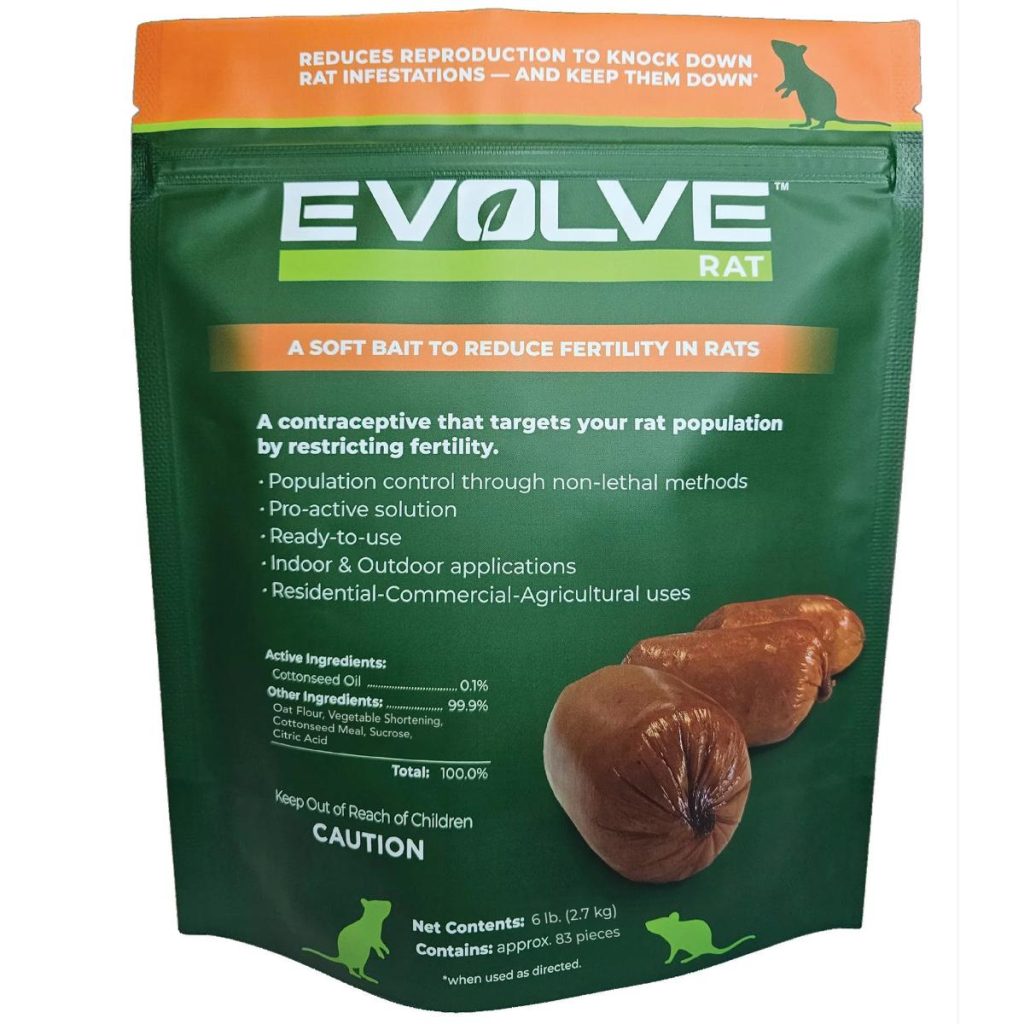
In contrast, many natural alternatives focus on population management rather than immediate lethality. A leading example is fertility control, a science-based approach that targets the root cause of infestations: reproduction. These products, like a soft bait designed to reduce fertility in rats, work by restricting the reproductive capacity of the population.
When used as directed, this non-lethal mode of action gradually reduces breeding rates. Over one to two breeding cycles, the colony’s ability to grow is curtailed, leading to a noticeable population decline. This method represents a proactive, long-term population management solution. It’s a strategy that aligns with using a strategic rat control product designed for sustained results, working to keep populations down after the initial knockdown.
Evaluating Safety and Environmental Impact
Safety for non-target species, including children, pets, and wildlife, is a paramount concern for any property owner or manager. The regulatory classification and ingredient profiles of products offer clear insights into their relative risk profiles.
Chemical rodenticides are registered pesticides with the U.S. Environmental Protection Agency (EPA). Their labels carry mandatory precautionary statements warning of risks to humans, domestic animals, and the environment. Accidental ingestion by pets is a serious veterinary concern, and secondary poisoning of predators like hawks or owls that consume poisoned rodents is a documented environmental issue.
Many natural options, particularly those formulated with common food ingredients, fall into a different regulatory category. Some are designated as minimum-risk pesticides under FIFRA 25(b), meaning they are exempt from EPA registration due to their perceived safety when used as directed. It is crucial to note that these products have not been registered by the EPA. A key benefit of such options is that they are designed to minimize risk to non-target species when used as directed. They are considered safe around people and animals when deployed according to label instructions, and they present a significantly reduced risk to wildlife and birds.
Strategic Application and Ideal Use Cases
No single product is the perfect solution for every scenario. The most effective pest management plans often integrate multiple tools based on the specific context of the infestation.
When to Prioritize Chemical Options: Chemical baits can be a critical tool in an integrated pest management (IPM) program during an acute, high-pressure infestation. Their rapid action can provide the immediate “knockdown” needed to reduce overwhelming numbers quickly. They are best used by professionals or informed users who can securely place them in tamper-resistant bait stations, strictly following all label precautions to mitigate risks.
When Natural Options Excel: Natural, non-lethal strategies shine in long-term management and prevention. Fertility control, for instance, is a proactive solution. It is effective and easy-to-use for both professional and residential applications across commercial, residential, and agricultural sites. Because it addresses reproduction, it is ideal for maintaining control after an initial reduction and for preventing new infestations from escalating. For faster initial results, it may be used in conjunction with traps. Its versatility for indoor and outdoor use, combined with its safety profile, makes it suitable for areas where traditional poisons pose too great a risk.
This approach is central to a smarter, long-term strategy for pest control rats, focusing on sustainable management over repeated lethal interventions.
Building an Integrated Management Plan
The most resilient defense against rodents doesn’t rely on a single product but on a layered strategy. Combining methods based on their strengths creates a more robust and adaptable plan.
Start with thorough exclusion—sealing entry points—and rigorous sanitation to remove food and harborage. This forms your first line of defense. For an existing population, you might deploy traps or a limited course of chemical bait in secured stations to achieve a rapid population reduction. Concurrently, introduce a fertility control bait as directed. This begins working on the reproductive cycle of the remaining rodents. As the lethal methods remove current adults, the contraceptive prevents the next generation, extending the effectiveness of your control efforts and helping to keep the population down.
For best results with any bait, use tamper-resistant bait stations. Monitor activity closely and maintain bait placements as recommended to ensure the colony consistently consumes the product. This integrated approach leverages the immediate impact of some tools with the enduring, population-level control of others.
Frequently Asked Questions
How quickly do natural fertility control products work?
These products work on the rodent’s reproductive system. They begin affecting fertility within the individual rat, but visible population reduction occurs over a longer timeframe as breeding is suppressed. When used as directed, you can expect to see noticeable effects on population growth over one to two breeding cycles, which typically translates to several weeks.
Are “natural” rat control products safe for my pets?
Many products formulated with food-grade quality ingredients and classified as minimum-risk are designed to be pet, wildlife, and bird friendly when used as directed. This is a key distinction. Always place any bait product in a secure, tamper-resistant bait station out of reach of pets and follow all label instructions to ensure safety.
Can I use chemical and natural products together?
Yes, this is often a recommended strategy for integrated pest management. For faster initial results, a natural fertility control product may be used in conjunction with traps. This combination allows for immediate reduction of existing adults while simultaneously inhibiting the reproduction of the remaining colony, leading to more sustained control.
What does “minimum-risk pesticide” mean?
A minimum-risk pesticide is a category defined by the EPA that exempts certain products from federal registration requirements because their active and inert ingredients are deemed to pose minimal risk. It is important to note that such products have not been registered or reviewed by the EPA. SenesTech, Inc. represents that its product qualifies for this exemption under FIFRA Section 25(b).
Where can natural rodent control products be used?
These products are versatile and labeled for use in commercial, residential, and agricultural sites. They are suitable for both indoor and outdoor application, provided the placement follows the label directions, such as avoiding areas where food contamination is possible.
Conclusion
Choosing between chemical and natural rat control options is not about declaring one universally superior to the other. It is about matching the tool to the task. Chemical rodenticides serve as a potent intervention for rapid knockdown in severe infestations but come with notable safety considerations and can perpetuate a cycle of reinfestation. Natural options, particularly those employing fertility control, offer a proactive, population-management approach. They work gradually to reduce reproduction, providing a safer, long-term solution that is effective when used as directed.
The most effective path forward lies in a thoughtful, integrated strategy. By understanding the distinct roles of lethal and non-lethal methods, you can deploy them strategically to address both immediate pressures and future growth. This smarter approach moves beyond temporary fixes toward genuine, sustainable management of rodent populations, ensuring a more lasting resolution to a persistent problem.