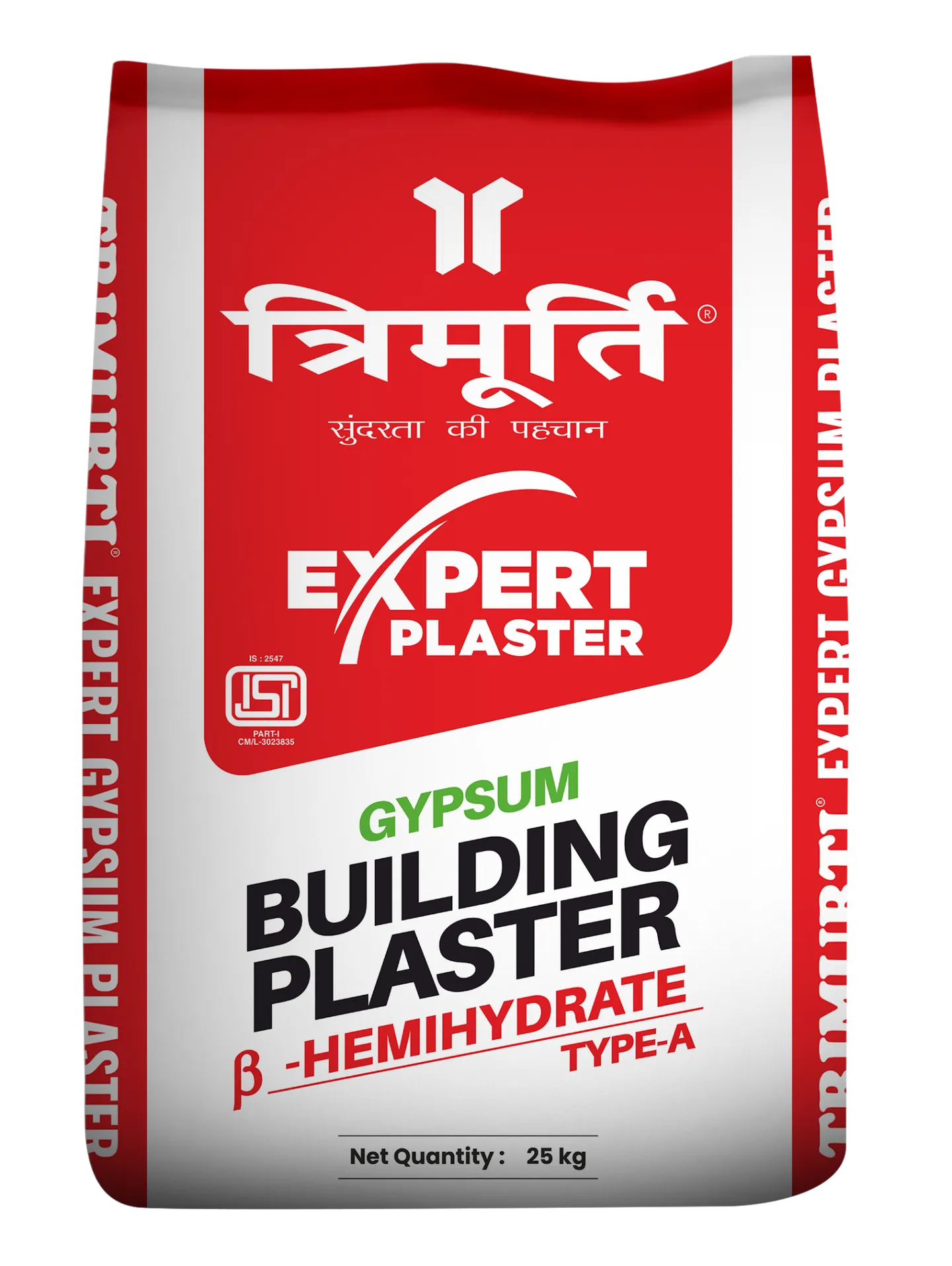
A smooth wall finish often begins long before the final coat is applied. Small decisions during surface preparation, plaster selection, and application can influence how a wall looks and performs over time. Materials need the right conditions to bond, spread, and dry properly. For projects using pop for wall, understanding these basic factors can make the finishing process more controlled and reliable.
Reading The Wall Before Starting
Every wall has its own condition, and treating every surface in exactly the same way can create avoidable problems. A newly constructed wall may contain moisture, loose particles, or uneven areas, while an older surface may have previous coatings, minor cracks, or patches.
Before applying any plaster, the surface should be inspected carefully. Professionals generally look for loose material, dampness, visible damage, dust, and areas that may require repair. This simple inspection helps determine whether the wall is ready or needs additional preparation.
Preparing A Surface For Stronger Bonding
Good plastering depends heavily on contact between the material and the wall. Dust, grease, loose particles, and weak surface layers can interfere with this contact. Even a quality product may perform poorly when applied over an unsuitable substrate.
Cleaning should therefore be treated as part of the application process rather than an optional extra. Loose dust can be brushed or removed using an appropriate method, while damaged areas should be repaired before plastering begins.
Getting The Mix Consistency Right
Mixing is one of those stages that can appear simple but has a major effect on the final result. Too much water can make the mixture difficult to control and may affect its strength after drying. Too little water can make spreading difficult and produce an inconsistent layer.
When working with pop plaster of paris, following the manufacturer's recommended mixing instructions is important. The material should reach a workable consistency that allows smooth application without becoming excessively runny or difficult to spread.
Managing Application Thickness Carefully
Plaster thickness should not be decided casually. Applying an unnecessarily thick layer in one attempt can create drying and finishing challenges, particularly when the underlying surface is uneven.
A controlled application allows the material to settle more consistently. Where corrections are needed, the appropriate preparation and layering method should be followed rather than attempting to hide major surface irregularities under excessive material.
Giving Attention To Corners And Edges
Large wall areas are usually easier to work on than corners, edges, junctions, and other detailed sections. These areas can influence the overall appearance of a finished room even though they occupy less surface area.
Corners should be formed carefully, with attention given to straightness and alignment. Openings around doors and windows also require controlled application so that the plaster does not create unwanted ridges or uneven transitions.
Allowing Proper Drying Conditions
Once plaster has been applied, patience becomes part of the process. Drying conditions can influence the finished surface, and rushing into the next stage may create complications.
Temperature, ventilation, humidity, and application thickness can all affect drying. The surface should be allowed to dry according to the product guidance and site conditions before further finishing work begins. A properly dried surface provides a more suitable base for subsequent treatments and helps Trimurti adhesive perform effectively where compatible applications require it.
Smoothing Without Removing Surface Strength
Finishing is not simply about making a wall look perfectly smooth. Excessive rubbing, sanding, or aggressive correction can weaken or disturb the surface.
The objective should be to achieve an even finish while retaining a sound base. Minor imperfections can be addressed through appropriate finishing techniques, but major irregularities are better corrected during earlier preparation stages.
Choosing Materials For The Intended Finish
Material selection should reflect the purpose of the wall and the finish expected from the project. Interior decorative surfaces may require different considerations from areas exposed to changing environmental conditions.
Product instructions can provide important information about recommended applications, mixing methods, drying requirements, and compatible surfaces. Reading these details before beginning work can prevent mistakes that are difficult to correct later.
Avoiding Common Plastering Setbacks
Many plastering problems develop because several small steps are overlooked rather than because of one major mistake. Applying material over dust, ignoring dampness, using an unsuitable mix, or moving too quickly between stages can all affect the result. Choosing suitable pop for wall material and preparing the surface properly can help reduce these avoidable issues.
Another common issue is trying to correct every problem after the plaster has already been applied. Better results usually come from addressing the wall condition first and then following a controlled application process.
Building A Reliable Finishing Routine
A dependable plastering routine does not need to be complicated. It starts with checking the substrate, cleaning the surface, repairing visible defects, preparing the material correctly, and applying it with suitable thickness.
The finishing stage should follow the required drying period rather than being rushed to meet an immediate deadline. This approach creates a more predictable sequence from preparation to final appearance.
Supporting Long Term Wall Performance
A well-finished wall is expected to remain stable through everyday use. Furniture movement, cleaning, temperature changes, and normal building activity can all place demands on interior surfaces.
Good preparation cannot prevent every future issue, but it can reduce avoidable weaknesses. Strong adhesion, suitable material selection, controlled application, and proper drying together create a better foundation for durable wall finishes.
Conclusion
Creating a dependable wall finish requires more than simply applying plaster to a surface. Proper inspection, cleaning, mixing, controlled thickness, careful detailing, and adequate drying all contribute to the final performance of the wall. Understanding how these stages connect helps construction teams make more practical material and application decisions. Choosing suitable pop plaster of paris and following recommended application practices can further support a consistent and durable finish. Careful preparation at every stage also helps reduce rework and maintain the desired appearance over time. For readers exploring dependable construction finishing materials, Trimurti Products can also be considered as part of a broader approach to quality-focused wall and surface preparation.