
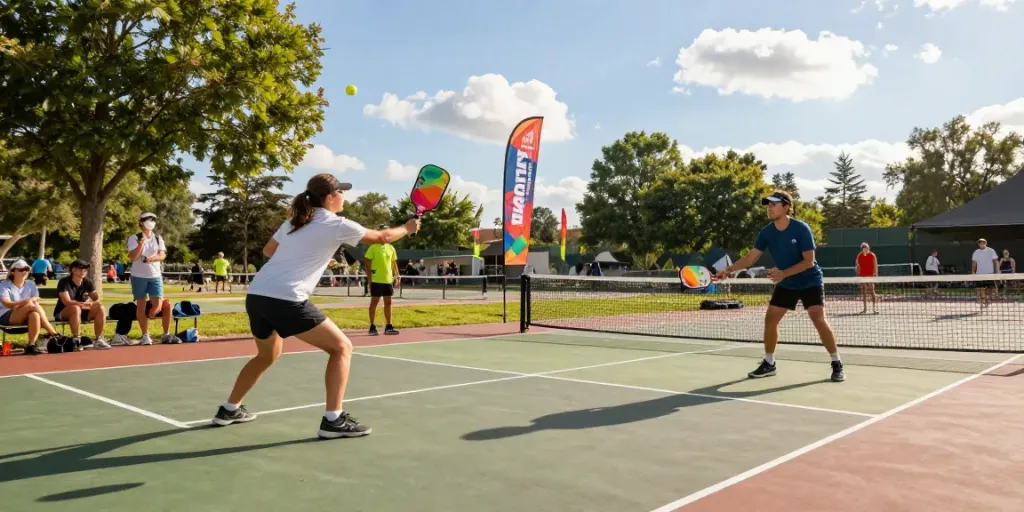
Understanding Pickleball Paddles: Types and Features
As the popularity of pickleball continues to soar, so does the variety of equipment available to players. Among the most vital components for any player is their choice of paddle. The right paddle can significantly impact your performance and enjoyment of the game. In this guide, we will delve into different types of pickleball paddles, explore key features you should consider, and discuss material differences that could affect your gameplay. When exploring options, pickleball paddles come in diverse forms that cater to various skill levels and playstyles.
What are the Different Types of Pickleball Paddles?
Pickleball paddles are typically categorized into three main types: wood, composite, and graphite. Each type has its unique advantages and disadvantages:
- Wood Paddles: Often the most affordable option, wood paddles are durable and great for beginners who are just getting to know the game. However, they can be heavier, which might affect maneuverability and control.
- Composite Paddles: These paddles offer a mix of materials, typically including a polymer core and a fiberglass or carbon fiber surface. They provide a good balance of power and control, making them a popular choice among intermediate players.
- Graphite Paddles: Known for their lightweight construction and superior performance characteristics, graphite paddles are often favored by competitive players. They offer excellent touch and control, making them ideal for advanced gameplay.
Key Features to Consider When Choosing Pickleball Paddles
When selecting a paddle, there are several key features to take into account:
- Paddle Weight: The weight can affect your swing speed and control. Lighter paddles allow for quick movements, while heavier paddles provide more power.
- Grip Size: Finding a comfortable grip size is crucial. An ill-fitting grip can lead to fatigue and even injury. It is generally recommended to measure the distance from the tip of your ring finger to the base of your palm to find the right size.
- Shape and Size: Paddles come in various shapes, including wide-body and elongated options, which affect your reach and the sweet spot of the paddle.
Material Differences: Composite vs. Wood Pickleball Paddles
Understanding the material differences between composite and wood paddles can help you make an informed choice:
- Composite Paddles: Generally feature a core made from polymer or Nomex, providing a lightweight structure and optimal power and control. The surface may be fiberglass or carbon fiber, enhancing durability and maintaining responsiveness.
- Wood Paddles: These are often made from hardwood and are quite durable but tend to be heavier, which can limit performance for some players, particularly at advanced levels. They are ideal for recreational play and practice.
Evaluating Performance: Choosing the Right Pickleball Paddle
Selecting the right paddle is more than just a matter of preference—it's about understanding how it can elevate your game. Each feature plays a significant role in your performance on the court. Your choice of paddle can affect everything from your shot selection to your overall comfort.
How to Assess Paddle Weight and its Impact on Performance?
Paddle weight typically ranges from 6 to 14 ounces. A lighter paddle can increase swing speed, allowing for quicker reactions, but might sacrifice power. Conversely, heavier paddles can offer more stability and power but may lead to fatigue during extended play. It's essential to balance weight with your personal physical condition and playing style.
Grip Size and Comfort: Finding the Right Fit for Your Hand
The grip size is not only about comfort; it can also affect your ability to control the paddle. A grip that is too small can lead to over-gripping, increasing the risk of injury, while a grip that is too large can hinder your wrist action and finesse shots. Consider testing different sizes before making a final choice.
Testing Paddle Performance on the Court: A User Experience Guide
The best way to determine the right paddle for you is to test it in real play scenarios. Many retailers offer demo programs where you can try paddles on the court. Take note of how comfortable you feel, the control you have with your shots, and how the paddle responds to different playing conditions.
Trends in Pickleball Paddle Design for 2026
As pickleball continues to grow, manufacturers are innovating designs and technologies to meet the changing needs of players. Staying informed about the latest trends can help you select a paddle that not only enhances your performance but also reflects your personal style.
Innovative Materials and Technologies in Paddle Manufacturing
In recent years, new materials such as polycarbonate and advanced composite blends have entered the market, allowing for improved performance and durability. Moreover, technologies such as vibration dampening and sound-reducing features are becoming standard in higher-end paddles, giving players an enhanced feel during gameplay.
Design Aesthetics: Color Trends and Customization Options
Design has become an integral part of paddle selection. Players are increasingly gravitating toward paddles that reflect their personality, with vibrant colors and customizable graphics becoming popular. Many brands now offer personalized design options, allowing you to create a paddle that stands out.
Emerging Brands and Their Unique Paddle Offerings
New brands continuously emerge in the market, providing unique paddle designs and features that cater to niche audiences. Brands like Electrum and Paddletek are gaining traction for their innovative approaches and player-focused designs, often emphasizing a balance between performance and cost.
Competitive Pickleball: Leveraging Equipment to Improve Game Performance
For competitive players, the choice of paddle becomes a critical factor in achieving optimal performance during matches. The right equipment can give you a significant edge, especially in high-stakes games.
The Role of Pickleball Paddles in Competitive Play
Paddles can significantly influence a player's ability to execute specific techniques, such as spin and control. Understanding how different paddles handle various play styles can help players select gear that enhances their strategies.
Choosing Paddles for Different Playing Styles and Strategies
Whether you prefer a power game or a more strategic, finesse-oriented approach, there is a paddle that will align with your style. Power players may gravitate towards heavier paddles for more impactful shots, while control-oriented players may opt for lighter paddles to enhance maneuverability.
Case Studies: Top Players and Their Preferred Pickleball Paddles
Many top players have signature paddles that cater specifically to their strengths. For instance, players like Ben Johns often use paddles that allow for maximum spin and control, while others may prefer a paddle that enhances power. Studying these preferences can provide valuable insights for amateur players looking to improve.
Maintaining and Caring for Your Pickleball Paddles
To ensure your paddle lasts and performs optimally, proper maintenance is essential. Here are some tips for care and longevity.
Protective Gear: Essential for Paddle Longevity
Using protective gear such as edge guards can help prevent damage from accidental drops or collisions. Keeping your paddle in a protective cover when not in use can also shield it from environmental factors.
Cleaning and Storage Tips for Pickleball Paddles
After each session, wipe your paddle with a damp cloth to remove dirt and sweat. Avoid harsh chemicals that could damage the surface material. When storing your paddle, keep it in a cool, dry place away from direct sunlight to prevent warping.
When to Replace Your Pickleball Paddle: Signs of Wear
It’s important to recognize when your paddle has reached the end of its life. Signs include visible cracks, a significant loss in performance, and a warped shape. Regularly assessing your paddle will help you decide the right time for a replacement to maintain your game quality.
What is the best pickleball paddle for an average player?
The best paddle for an average player typically falls in the mid-range category, combining durability, comfort, and performance. Look for a composite paddle with a good mix of weight and grip size tailored to personal preference.
Is there really a difference in pickleball paddles?
Yes, there is a significant difference in pickleball paddles. Variations in materials, weight, grip size, and design can greatly affect gameplay. Choosing the right paddle can enhance performance, comfort, and overall enjoyment of the game.
What are the top 5 best pickleball paddles?
The top paddles often include brands like Selkirk, Paddletek, Engage, Onix, and Gamma, each offering models that cater to various play styles and preferences.
What are the best pickleball paddles?
The best pickleball paddles ultimately depend on individual needs. Factors such as skill level, playing style, and budget play a crucial role in determining the ideal choice. Testing different paddles can help you finalize your decision.