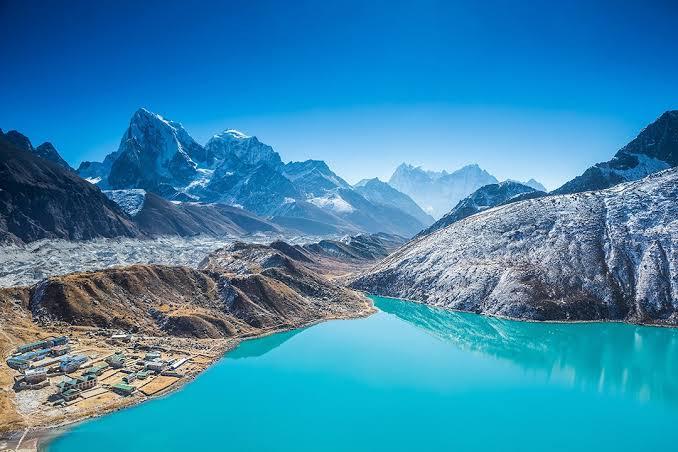
Trekking in Nepal is about much more than reaching a famous viewpoint or standing beneath towering Himalayan peaks. Every trail passes through villages, forests, monasteries, and mountain communities where traditions have been preserved for generations. Along the way, trekkers share narrow paths with local people, porters carrying heavy loads, yaks transporting supplies, and fellow adventurers from around the world. While maps and itineraries tell you where to go, they rarely explain how to behave on the trail.
Many of the most important rules of trekking are never written on signboards or printed in guidebooks. Instead, they are learned through observation and respect for the people and places that make each journey possible. Understanding these unwritten laws not only makes your trek more enjoyable but also helps protect the fragile mountain environment and strengthens the relationship between visitors and local communities.
Whether you are planning your first Himalayan adventure or returning for another trek, following proper trail etiquette will help you travel responsibly, earn the respect of locals, and create a more meaningful experience. Here are twelve unwritten laws that every trekker should know before setting foot on Nepal's famous mountain trails.
1. Greet Everyone You Meet
One of the simplest yet most meaningful customs on the trail is greeting the people you encounter. A friendly "Namaste" accompanied by a smile is appreciated whether you are passing local villagers, fellow trekkers, guides, or porters.
These small interactions create a welcoming atmosphere that reflects the hospitality found throughout Nepal. You may not share a common language, but a respectful greeting often leads to warm smiles, brief conversations, or helpful advice about the trail ahead.
Taking a moment to acknowledge others also reminds us that trekking is a shared experience rather than a race to the destination.
2. Give Uphill Trekkers the Right of Way
Mountain trails can be steep, narrow, and physically demanding. One long-standing etiquette rule is to allow trekkers climbing uphill to continue without interruption whenever possible.
Stopping repeatedly while climbing can break a person's rhythm and make the ascent even more exhausting. If you are descending, stepping aside for a few moments is a simple gesture that makes the journey easier for others.
The same courtesy applies when groups meet on narrow sections of trail. Patience and cooperation help everyone travel safely and comfortably.
3. Respect Local Culture and Sacred Places
Many trekking routes pass through villages where Buddhism and Hinduism shape daily life. Along the trail, you will encounter monasteries, prayer wheels, chortens, mani walls, temples, and sacred monuments that deserve respect. This is especially evident on the Manaslu Circuit Trek, where centuries-old Tibetan Buddhist traditions remain an important part of everyday life, and trekkers regularly pass ancient monasteries and culturally significant landmarks.
Walk around stupas and mani walls in the traditional clockwise direction whenever possible. Avoid climbing on religious structures or touching sacred objects unless invited to do so. If you wish to photograph monks, ceremonies, or local residents, always ask permission first.
Showing genuine respect for local traditions creates positive interactions, supports responsible tourism, and helps preserve the rich cultural heritage that makes trekking in Nepal such a rewarding experience.
4. Walk at Your Own Pace
Many first-time trekkers make the mistake of trying to match the speed of stronger hikers. In the mountains, this often leads to unnecessary fatigue and can increase the risk of altitude-related problems.
Experienced trekkers understand that a slow, steady pace is usually the most effective way to travel at higher elevations. Listen to your body, take regular breaks, stay hydrated, and avoid turning every uphill section into a competition.
Reaching the destination comfortably is far more important than arriving first.
5. Leave the Trail Better Than You Found It
The Himalayas remain beautiful because countless people work hard to protect them. Every trekker has a responsibility to help preserve these fragile environments for future generations.
Carry reusable water bottles whenever possible, dispose of waste responsibly, and avoid leaving food wrappers or other rubbish along the trail. Even biodegradable items such as fruit peels can take time to decompose in colder mountain environments.
Choosing environmentally responsible practices helps keep trekking routes clean while reducing the impact of tourism on local ecosystems.
6. Respect the Hard Work of Porters
Porters are among the true heroes of Nepal's trekking industry. Every day they carry heavy loads of supplies, food, equipment, and luggage across challenging mountain terrain, often under difficult weather conditions.
Give porters plenty of space when passing on narrow trails and never block their path while stopping for photographs. If a porter is moving quickly uphill with a heavy load, step aside and allow them to continue safely.
Treat porters with the same courtesy and appreciation you would offer anyone else on the trail. A friendly greeting, patience, and respect for their work go a long way in recognizing the important role they play in making trekking possible for visitors from around the world.
Here's the continuation of the same blog.
7. Share the Trail with Pack Animals
Yaks, mules, horses, and dzopkyos are an essential part of life in the Himalayas. They transport food, fuel, construction materials, and supplies to villages that cannot be reached by vehicles. Along many trekking routes, you will regularly encounter long caravans of these animals moving along narrow mountain paths.
When you hear bells or see a caravan approaching, move to the inside of the trail whenever possible rather than standing near the edge of steep slopes. Give the animals enough space to pass without startling them, and avoid making sudden movements or loud noises.
Being patient for a few moments not only keeps everyone safe but also shows respect for the communities that depend on these animals every day.
8. Be Considerate in Teahouses
Teahouses are much more than places to sleep. They are family-run businesses that provide food, shelter, and warmth to trekkers while also serving as community gathering places for local residents.
Simple acts of courtesy make a big difference. Remove muddy boots before entering dining areas if requested, keep shared spaces tidy, and avoid creating unnecessary noise early in the morning or late at night. During busy trekking seasons, dining rooms often become social spaces where people from different countries gather to share stories and experiences.
Electricity, hot water, and internet access can be limited in remote villages. Using these services responsibly helps ensure they remain available for everyone.
9. Listen to Your Guide and Local Advice
Even experienced hikers benefit from local knowledge. Mountain weather can change rapidly, trails may be affected by landslides or snowfall, and conditions that appear safe in the morning can become difficult later in the day.
Guides understand the terrain, weather patterns, and local conditions far better than most visitors. If they recommend changing the itinerary, starting earlier, or taking additional acclimatization time, their advice is usually based on experience rather than convenience.
Local lodge owners and villagers can also provide valuable information about trail conditions, weather forecasts, and potential hazards. Paying attention to their recommendations can improve both safety and the overall trekking experience.
10. Support Local Communities Whenever Possible
One of the greatest benefits of trekking is the opportunity to contribute directly to mountain communities. Choosing locally owned teahouses, purchasing handmade crafts, hiring local guides, and eating meals prepared by village families all help support the local economy.
Rather than rushing through villages, take time to appreciate the culture and hospitality that make each destination unique. A conversation with a local resident or a visit to a small bakery can often become one of the most memorable parts of the journey.
Responsible tourism creates lasting benefits for communities while helping preserve traditional lifestyles and encouraging sustainable development in remote regions.
Practical Trekking Etiquette Tips
Good trekking etiquette begins with respect for people, nature, and local traditions. Start each day with realistic expectations, remain patient when trails become busy, and remember that everyone on the mountain shares the same environment.
Keep noise to a minimum so others can enjoy the peaceful surroundings. Avoid playing music through speakers, particularly in villages or quiet sections of the trail. If you want to listen to music, use headphones and remain aware of your surroundings.
Be mindful when taking photographs. While landscapes are generally open to everyone, local residents may not always wish to be photographed. Asking permission before taking someone's picture is a simple gesture that demonstrates respect.
Finally, practice responsible tourism throughout your journey. Reduce plastic waste, conserve water and electricity, stay on marked trails, and support local businesses whenever possible. Small actions taken by individual trekkers collectively help preserve Nepal's mountains for future generations.
Conclusion
Trekking in Nepal is not only about exploring spectacular landscapes but also about becoming a respectful guest in the mountain communities that welcome visitors each year. Understanding these unwritten laws helps create a safer, more enjoyable experience for everyone on the trail, from fellow trekkers and guides to porters and local families.
Simple acts of kindness, patience, and cultural awareness can transform an ordinary trek into a truly meaningful journey. Greeting people with a smile, respecting local traditions, protecting the environment, and supporting mountain communities all contribute to responsible trekking while preserving the unique character of Nepal's Himalayan trails.
The mountains have their own rhythm, and the most rewarding adventures often come from slowing down, respecting your surroundings, and embracing the journey as much as the destination. By following these unwritten rules, you'll not only become a better trekker but also help ensure that future generations can enjoy the same remarkable experiences in the Himalayas.