Understanding AI Marketing Image Generators
As the digital landscape continues to evolve, businesses are increasingly turning to artificial intelligence (AI) for innovative solutions. One of the standout tools in this sphere is the AI marketing image generator, which allows marketers to create high-quality images quickly and efficiently. In this article, we’ll delve into the mechanics of these generators, the technology driving their capabilities, and the numerous benefits they offer for marketing professionals. When exploring options, how to use an AI marketing image generator provides comprehensive insights to jumpstart your creative process and boost your marketing efforts.
What is an AI Marketing Image Generator?
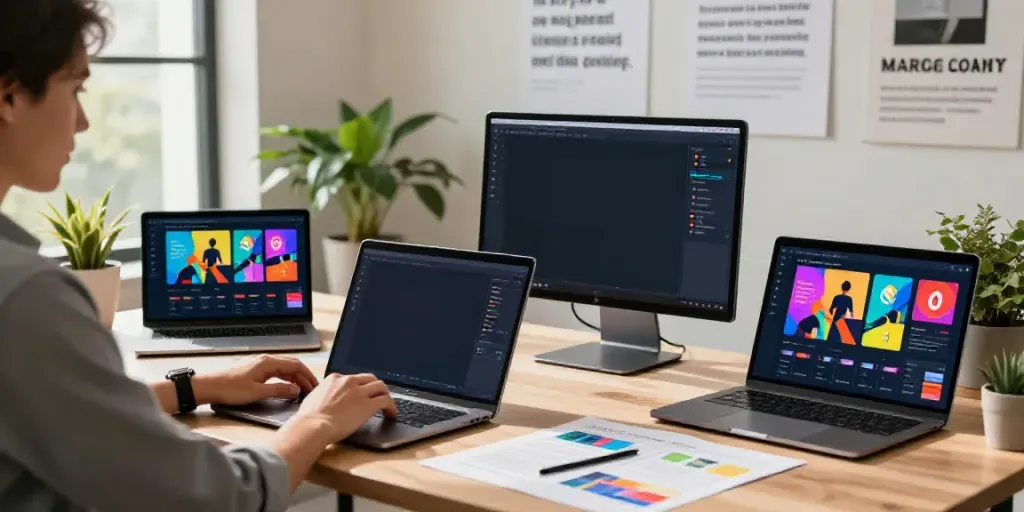
An AI marketing image generator is a specialized software that utilizes machine learning algorithms to produce images based on textual descriptions, existing images, or specific parameters set by the user. These generators can create a wide range of visual content, from promotional graphics to social media posts, allowing businesses to meet their diverse content needs without the reliance on traditional graphic design processes.
The Technology Behind AI Image Generation
The core of AI image generators lies in deep learning models, particularly Generative Adversarial Networks (GANs) and advanced natural language processing (NLP) techniques. GANs consist of two neural networks: a generator that creates images and a discriminator that evaluates their authenticity. This interplay helps the model learn and improve continuously, producing images that are increasingly complex and visually appealing. Coupled with NLP, these tools can interpret user prompts accurately, translating words into stunning visuals.
Benefits of Using AI Image Generators in Marketing
- Cost Efficiency: Traditional graphic design can be costly, especially for small businesses. AI image generators reduce the need for hiring professional designers, allowing for more budget-friendly marketing solutions.
- Speed: Time is often of the essence in marketing campaigns. AI generators can produce high-quality images in seconds, enabling marketers to react quickly to trends and demands.
- Flexibility: Users can generate custom images tailored to specific campaigns, ensuring consistency and brand alignment across various platforms.
- Scalability: As marketing needs grow, AI image generators can easily scale, producing multiple variations of images to cater to different channels and audiences.
Getting Started with AI Image Generators
Choosing the Right AI Tool for Your Needs
With numerous AI image generators available, selecting the right one can feel overwhelming. Consider factors such as user interface, customization options, pricing models, and customer support when evaluating different tools. Popular options include DALL-E, Midjourney, and Canva's Magic Design, each offering unique features tailored to various marketing needs.
Setting Up Your AI Image Generator Account
Once you have selected an AI image generator, the next step is to set up an account. Most platforms require a simple registration process, often providing free trials to allow users to explore functionalities before committing to premium plans. During the setup, ensure you also configure user preferences, notifications, and payment information if applicable.
Basic Features and Functions to Explore
Familiarize yourself with the basic features of your chosen tool. Key functions may include:
- Text-based image generation: Enter descriptions to produce unique visuals.
- Image editing capabilities: Modify generated images to better fit your requirements.
- Template libraries: Access pre-designed templates that can be customized quickly.
- Export options: Save images in various formats suitable for social media, print, or web use.
Creating Stunning Images for Marketing
Step-by-Step Guide to Generating Images
- Define Your Objective: Clearly outline what you want to achieve with the image—whether it’s to promote a product, enhance a blog post, or engage social media followers.
- Craft Your Prompt: Use descriptive language to create a detailed image prompt, including colors, styles, and elements you want to feature.
- Generate and Review: Use the AI tool to produce the image, and review the output for quality and relevance.
- Edit and Refine: Make necessary adjustments to align the image more closely with your brand guidelines.
- Save and Utilize: Export the final image for use across your marketing channels.
Tips for Writing Effective Prompts
The quality of the generated images relies heavily on the prompts provided. Here are some tips to write effective prompts:
- Be specific: Clearly specify the subject matter and style to reduce ambiguity.
- Use adjectives: Incorporate descriptive words that convey your vision, such as "vibrant," "minimalistic," or "whimsical."
- Experiment: Don’t hesitate to try different prompt styles to discover what works best for your desired outcomes.
Common Mistakes to Avoid When Using AI Generators
When utilizing AI image generators, it is essential to avoid some common pitfalls:
- Underestimating Input Details: Providing vague prompts can lead to unsatisfactory images. Always give sufficient details.
- Neglecting Brand Guidelines: Ensure generated images align with your brand’s identity in terms of color, style, and messaging.
- Ignoring Image Quality: Review generated images carefully before use to ensure they meet quality standards.
Case Studies of Successful AI Image Use
Examples from Different Industries
Various industries have successfully harnessed AI-generated images to enhance their marketing strategies. For example:
- Retail: Fashion brands have used AI generators to create diverse models wearing their apparel, catering to a broader audience without the constraints of traditional photoshoots.
- Real Estate: Agencies have employed AI tools to generate virtual tours and showcase properties with AI-enhanced visuals, improving lead engagement.
- Food and Beverage: Restaurants utilize AI-generated images for menu items, creating mouth-watering visuals that attract clientele.
Measuring Impact and Success Rates
To gauge the effectiveness of AI-generated images in marketing campaigns, consider tracking engagement metrics such as click-through rates, social media shares, and conversion rates. By collecting and analyzing this data, businesses can refine their strategies and optimize future image creation.
Lessons Learned from AI Image Marketing Campaigns
Several key lessons emerge from analyzing successful campaigns:
- Audience Understanding: Tailoring images to meet the expectations and preferences of the target audience significantly enhances engagement.
- Iterative Design: Continuous testing and feedback loops enable marketers to refine their imagery over time for optimal results.
- Integration with Other Channels: Combining AI-generated images with comprehensive marketing strategies can elevate overall campaign effectiveness.
Future Trends and Considerations for 2026
Emerging Technologies in AI Image Generation
As AI technology continues to advance, we can anticipate several exciting trends in AI image generation:
- Augmented Reality (AR): Integration of AR features will allow users to visualize images in real-world settings, enhancing customer experiences.
- Personalization: More sophisticated algorithms will enable hyper-personalized content generation based on user behavior and preferences.
- Collaboration Features: AI image generators will increasingly incorporate collaborative tools to allow teams to work together in real-time.
How Market Needs are Shaping AI Image Tools
As consumer expectations evolve, the demand for unique, high-quality images will drive further advancements in AI image generation technologies. Marketers will seek tools that not only create visually appealing content but also streamline the entire creative process, ensuring responsiveness to market trends.
Preparing Your Strategy for Future Developments
To prepare for the future, businesses should stay informed about emerging technologies and trends in AI image generation. Regular training for marketing teams on using AI tools effectively will ensure organizations remain at the forefront of digital marketing strategies.
What are the ethical considerations for AI-generated images?
As AI-generated images proliferate, ethical considerations must be addressed. Issues such as copyright, authenticity, and potential misuse of generated images warrant careful attention. Marketers should implement clear guidelines for AI usage and maintain transparency with their audiences.
Can I use AI-generated images commercially?
Yes, most AI image generators allow for commercial use, but it's crucial to review the licensing agreements of the specific tools you are using. Understanding the terms of use will help prevent potential legal issues down the line.
Are AI marketing image generators user-friendly?
Many AI image generators are designed with user-friendliness in mind, featuring intuitive interfaces that cater to both beginners and experienced users. Most platforms also offer tutorials and customer support to enhance user experience.
What industries benefit most from AI image generators?
While nearly every industry can benefit from AI image generators, sectors such as marketing, e-commerce, real estate, and entertainment are particularly well-suited due to their reliance on visually appealing content.
How does AI image generation affect creativity?
AI image generation can complement human creativity rather than replace it. By automating repetitive tasks and generating base visuals, marketers and creatives can focus on higher-level strategic thinking and innovation, ultimately driving creativity to new heights.